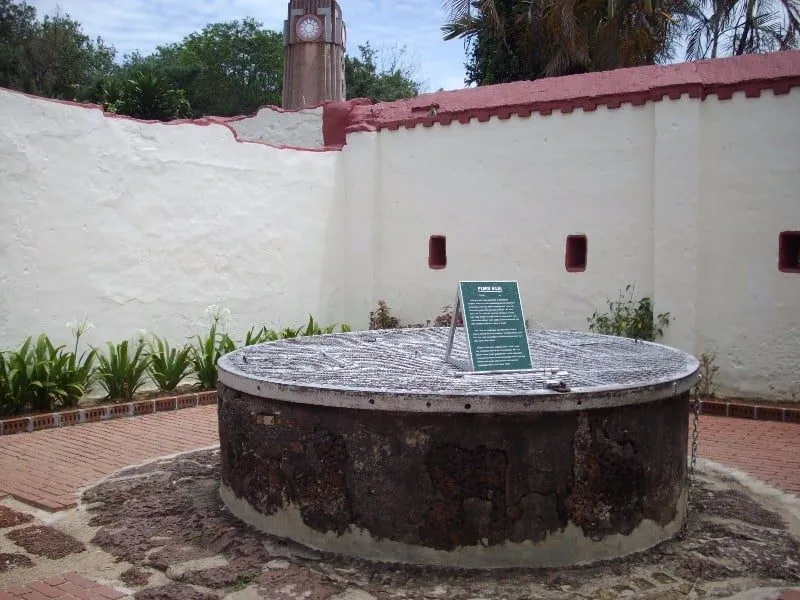
Built in 1459 on Bukit Cina, Hang Li Poh's Well is Malaysia's oldest water well and a relic of early Chinese settlement in Melaka. The well bears witness to centuries of Portuguese, Dutch, and British rule before becoming a popular wishing well.
Early Origins and the Three Wells
Built in 1459 by followers of Hang Li Poh, a Chinese princess or noble woman, the well served as a critical water source for the growing settlement. It is Malaysia’s oldest well, dug deep into Bukit Cina (Chinese Hill). The site’s Chinese name, 三宝井 (Three Precious Wells), refers to three wells that once existed in the area. Of these, one was covered by a road during modern construction, another sits on private property and fell into disrepair, leaving Hang Li Poh’s Well as the sole survivor and most accessible today.
Colonial Legacies
The Portuguese and Dutch, who successively ruled Melaka, both fortified and used the well, recognizing its strategic and practical value. The well’s stone construction bears witness to these shifts in power, though records of specific modifications are sparse. By the British period, the well had deteriorated and ceased to function as a water source.
From Ruin to Wishing Well
In recent decades, the well has been restored and transformed into a popular wishing site. Contemporary tradition holds that visitors who drink the water or toss a coin into the well will either marry someone from Melaka or return to visit the city someday. This modern practice keeps the 15th-century structure alive in local memory and visitor experience.
The Broader Bukit Cina Site
Hang Li Poh’s Well sits within Bukit Cina, a historically significant Chinese burial ground and heritage area. The surrounding grounds include Chinese cemeteries, the Cheng Hoon Teng Temple, and walking paths that provide context for understanding Melaka’s early Chinese community.